
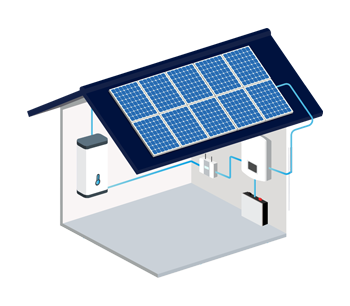
The honest answer: fewer than most people think, and the right number depends on your electricity usage rather than the size of your roof. Here is how we size solar panels in Northern Ireland, with the typical panel counts for each home type.
Typical system sizes by household usage
- 2,000 to 4,000 kWh a year: 5kW of solar with a 5kWh battery. Our most common package, suiting smaller and average households. Typically installed for around £6,000 to £7,000, saving around £600 to £1,000 a year.
- 6,000 kWh a year: 7.2kW of solar (16 panels) with a 10.24kWh battery. For larger family homes. Typically installed for around £8,000 to £10,000, saving around £1,400 a year.
- 8,000 kWh a year: 9kW of solar (16 panels) with a 15.36kWh battery. For high usage homes, especially with an EV or heat pump. Typically installed for around £10,000 to £12,000, saving around £1,800 a year.
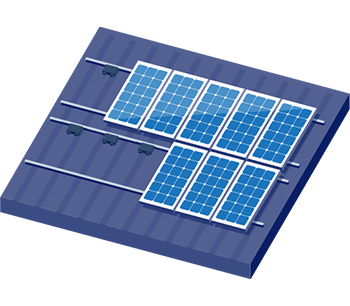
Each panel takes roughly two square metres of roof, so even a 16 panel array fits comfortably on most NI semis and detached homes. Full pricing for every package is in our solar panel cost guide.
Why usage beats roof space
Exported units earn a fraction of what used units save you. At current NI rates you save 27 to 30p for every kWh you use yourself, while exported units earn far less through your supplier’s tariff. That is why we size from your actual consumption data, not from how many panels your roof could physically hold. An oversized array wastes capital on electricity you will never use. The same logic applies to storage, which we cover in our post on oversizing solar batteries.
How to work it out from your bill
Find your annual usage in kWh on a recent bill and match it to the packages above. If you use 2,000 to 4,000 kWh a year, the 5kW package is the right starting point; 6,000 kWh points to 7.2kW; 8,000 kWh points to 9kW. Because your usage peaks in the evening for most working households, every package pairs the panels with battery storage, which lifts self consumption from around 50% to 70 or 80% and shortens the payback of every panel on the roof.
What if my roof faces east and west?
Not a dealbreaker. East and west arrays still deliver strong results in NI, sometimes with a panel or two added to match a south facing system’s output. We covered the detail in our post on whether solar panels need to face south.
Next step
See how the panels, inverter and mounting work together on our solar panel systems page, or read about a full domestic installation on our home solar panels page. When you are ready, a free survey confirms the right count for your roof before you commit to anything.