
For the large majority of homes, one day. Our crews arrive at 8am, and a standard domestic system, panels, inverter and battery included, is generating before they leave that evening. Most residential installs across Northern Ireland complete in a single day, and the ones that stretch to two or three do so for predictable reasons. Here is the full timeline from first enquiry to final certificate, from an MCS certified installer fitting solar panels Northern Ireland wide.
Before Anyone Touches Your Roof: Survey And Design
The install day is quick because the preparation is thorough. It starts with a survey: roof measurements, a structural check, shade analysis, a look at your consumer unit and meter, and a proper conversation about how your household uses electricity. From that we design the system, agree the panel layout with you and produce a fixed, itemised quote.
We also handle the grid paperwork with NIE Networks on your behalf. For most domestic systems this is a straightforward notification, while larger systems need approval before installation, which we build into the schedule so it never surprises you. Everything a full domestic installation includes, from roof to meter, is laid out on our home solar panels page.
How To Prepare Before The Crew Arrives
You do not need to do much, but a few small things keep a one day install a one day install:
- Leave access clear for the scaffolders, which usually means moving a car off the driveway.
- Clear a path to the roof space or garage if the inverter and battery are going there.
- Know where your consumer unit and meter are, and mention anything unusual about them at survey stage rather than on the morning.
- Plan around a short power cut during connection, worth knowing if you work from home.
Someone needs to be in to give access at the start of the day and for the handover at the end, but you do not need to stand over the crew in between.
Install Day: 8am To Early Afternoon
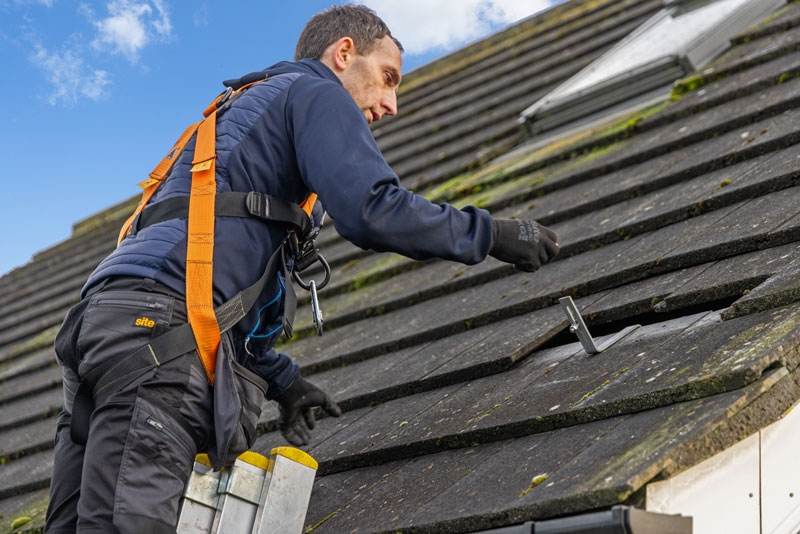
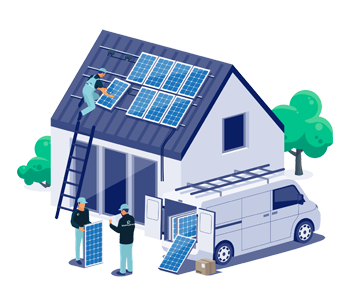
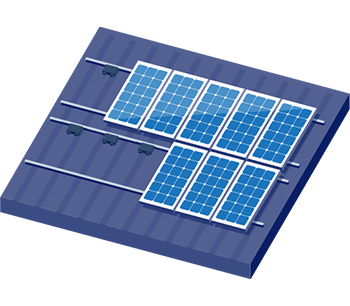
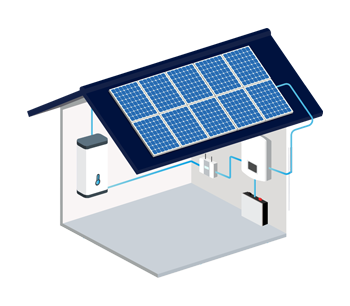
Scaffolding usually goes up a day or two beforehand, which takes an hour or so and needs nobody at home. On the day itself, the crew arrives at 8am and splits in two. The roof team fixes the mounting hooks and rails, then lifts and secures the panels. Meanwhile the electricians work inside, mounting the inverter and battery, usually in the garage, roof space or utility room, and running the DC cabling from the roof to the inverter and the AC connection to your consumer unit.
You will have one short power cut, typically well under an hour, while the system is connected. By early afternoon on a standard semi or detached home, the panels are on and the wiring is complete.
Commissioning: The Last Two Hours Matter Most
Commissioning is where an installation becomes a working power station. The electricians test every string, check voltages and earthing, configure the inverter and battery settings to match your usage, and register the system on its monitoring platform. Before leaving, we set the app up on your phone and walk you through what the numbers mean, what the battery is doing and who to call with any questions. Then the system is switched on and left generating.
After The Install: Certificates And Export Registration
Within days you receive the paperwork that matters: your MCS certificate, your electrical certification through NAPIT, and the documentation for the system itself. The MCS certificate is the key document, because you need it to register for export payments with your supplier. We complete our side of that registration promptly, since every bright week you are not registered is exported electricity going unpaid.
The scaffolding comes down once the roof work is signed off, usually within a few days of the install. If anything on the monitoring app looks unfamiliar in the first week, a phone call sorts it; the first bright weekend usually answers most questions on its own.
What Stretches An Install To Two Or Three Days
Some jobs genuinely need longer, and we say so at quote stage, never on the morning itself. The usual reasons:
- Larger systems, where panel count alone adds roof hours.
- Slate roofs, where careful handling and refitting takes longer than standard tile.
- Flat roofs, where ballasted frames are assembled up top before any panel goes down.
- Consumer unit upgrades, or wiring work an older property needs before connection.
- Weather, since high winds stop roof work. Panels can wait a day; roofer safety cannot.
- Extras fitted at the same time, such as an EV charger or a power diverter.
None of these change the destination, only the schedule, and a job quoted as two days is priced as two days from the start. Because labour time feeds directly into price, the real drivers of installation cost are broken down honestly in our solar panel cost guide.
Local to Derry?
Distance never adds days. Our crews cover the North West to the same one day standard, arriving at 8am whether the job is in the Waterside, Culmore or out towards Eglinton. Our solar panel installers in Derry page covers how we schedule installs across Derry/Londonderry and the surrounding area.
Local to Ballymena?
Ballymena sits handily central for our teams, and installs across the town and wider Mid and East Antrim run to the standard one day timeline, with slate farmhouses in the surrounding countryside the occasional two day exception. See our solar panel installation in Ballymena page for the local detail.
Speed comes from preparation, not shortcuts. The one day install works because the survey, design and grid paperwork were done properly in the weeks before, and the certification afterwards proves the job was done right. That rhythm comes from years of NI roofs, in every season this climate can offer.